Structured Cabling
What This Service Solves
Poorly terminated or poorly documented copper infrastructure causes downtime, confusion, and unnecessary troubleshooting. Structured cabling work should support the site long after the job is closed, not create another mess to inherit later.
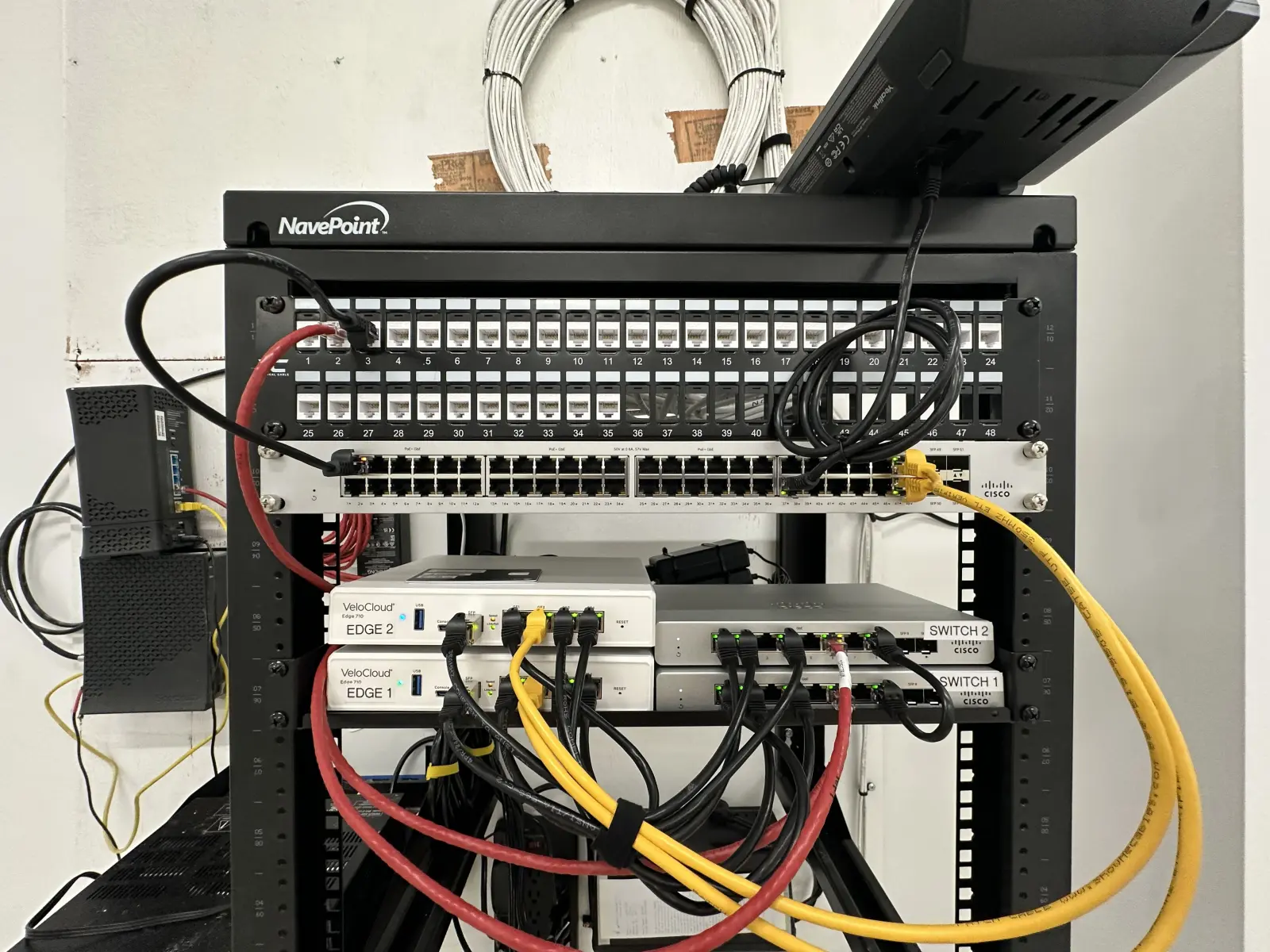
Patch Panel Serviceability
Clean patch field presentation matters because it directly affects troubleshooting speed, change control, and long-term maintainability. A panel that is labeled, organized, and routed correctly reduces guesswork when ports need to be traced or service moved.
This kind of work is not about making a wall look pretty for five minutes. It is about leaving copper infrastructure in a condition that another technician can understand without cable archaeology and muttered threats.
What Proper Execution Requires
- Consistent termination standards
- Clean patch panel presentation
- Correct labeling at both ends where scope allows
- Supportable routing and strain management
- Attention to serviceability, not just continuity
Pathway Routing in Open Commercial Space
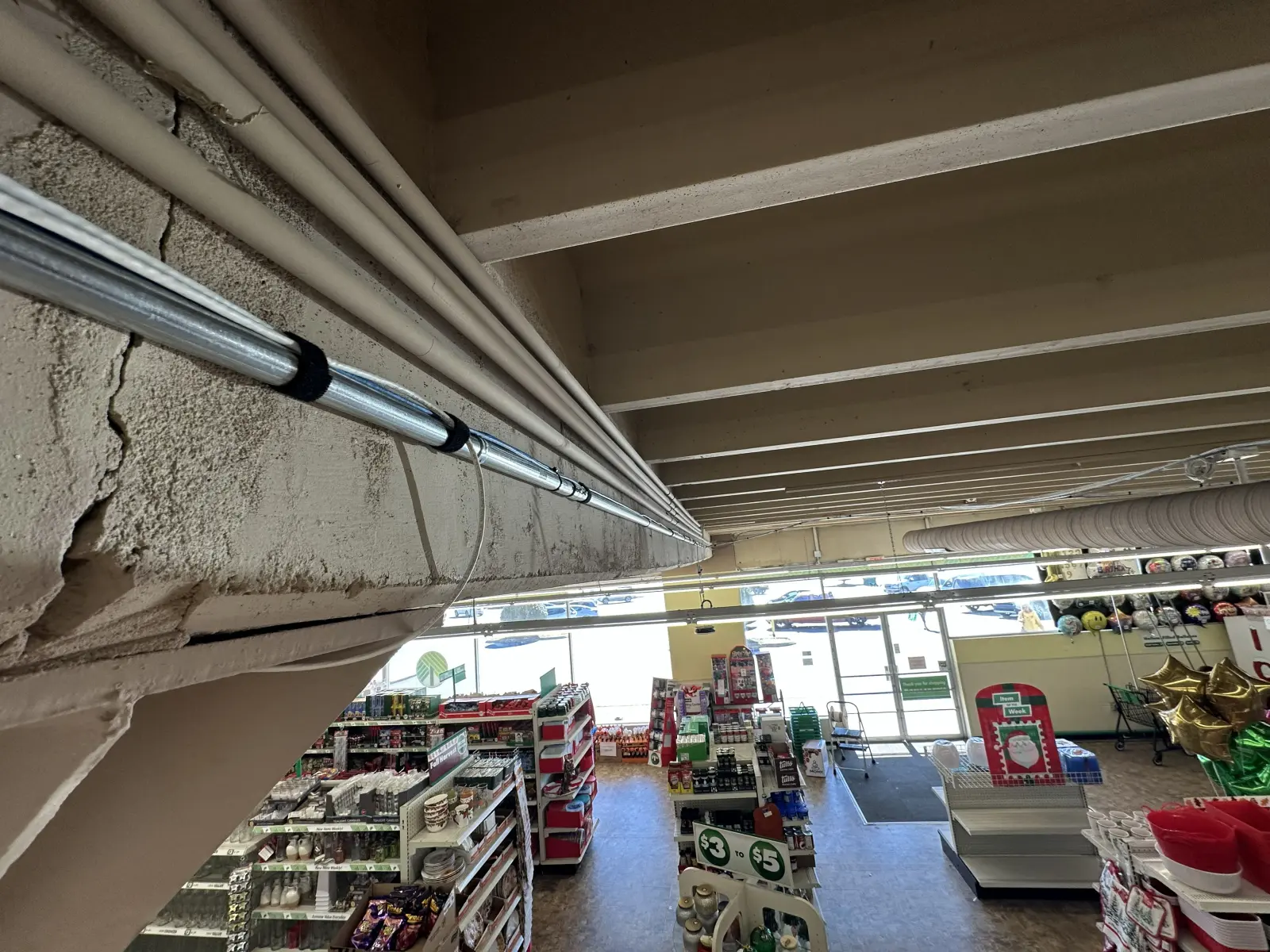
In open retail and commercial environments, pathway work has to respect both structure and visibility. Routing low-voltage cabling along existing building lines keeps the install supportable while reducing the sloppy look that comes from loose or improvised runs.
The point is disciplined routing, proper support, and a path that makes sense for future service. Clean pathway work is one of those details clients may not describe well, but they notice immediately when it is done badly.
Conduit and Cable Support Standards
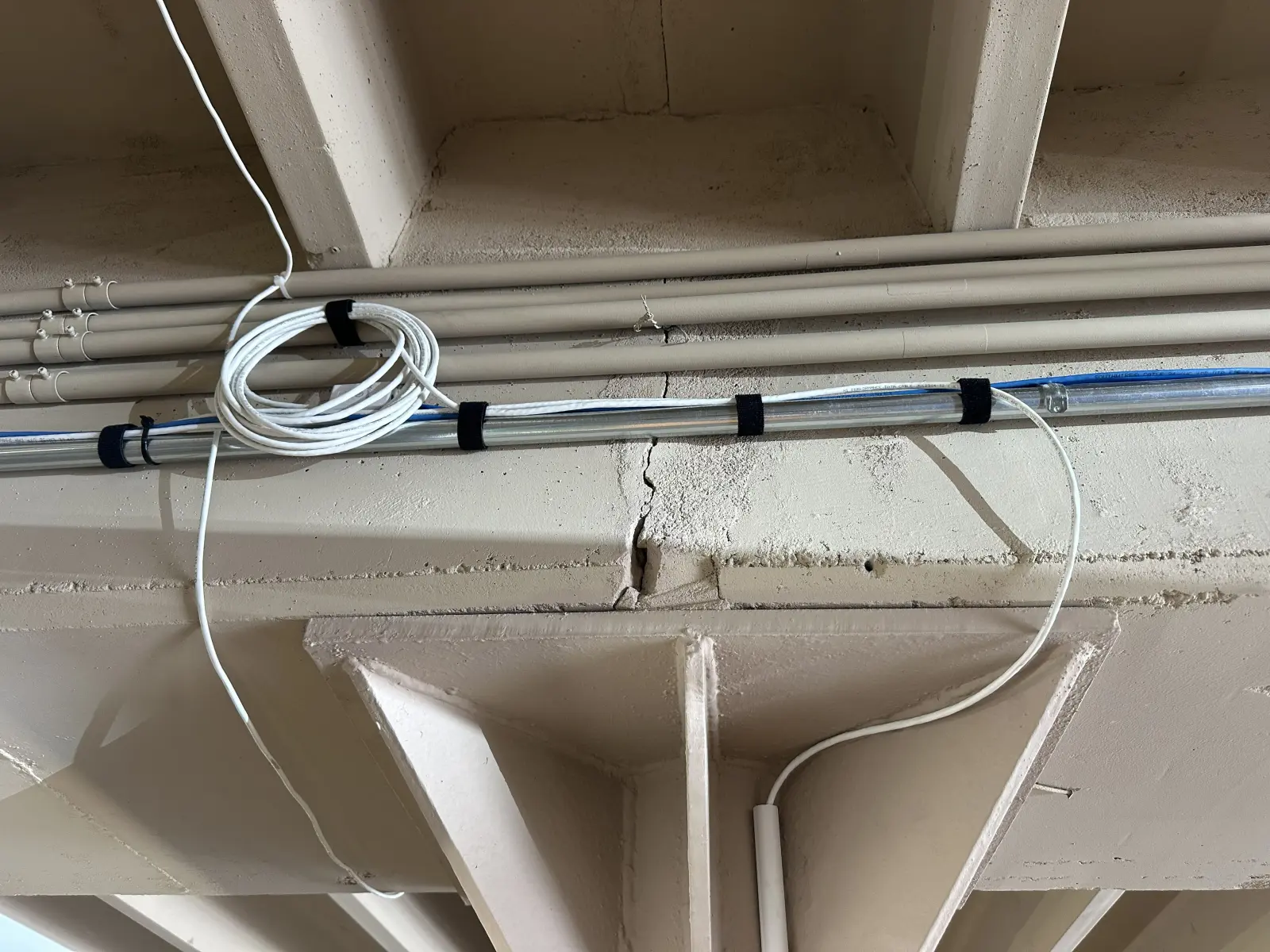
Support and strain management matter just as much as termination. Loose cable, poor transition points, and random unsupported drops eventually become failure points or at minimum create confusion for the next service visit.
This example shows structured cabling staged along a defined route with support in place, keeping the run readable and ready for final turnover. The goal is not merely that it "passes signal." The goal is infrastructure that remains serviceable after the truck leaves.
Punchdown Discipline and Turnover Quality
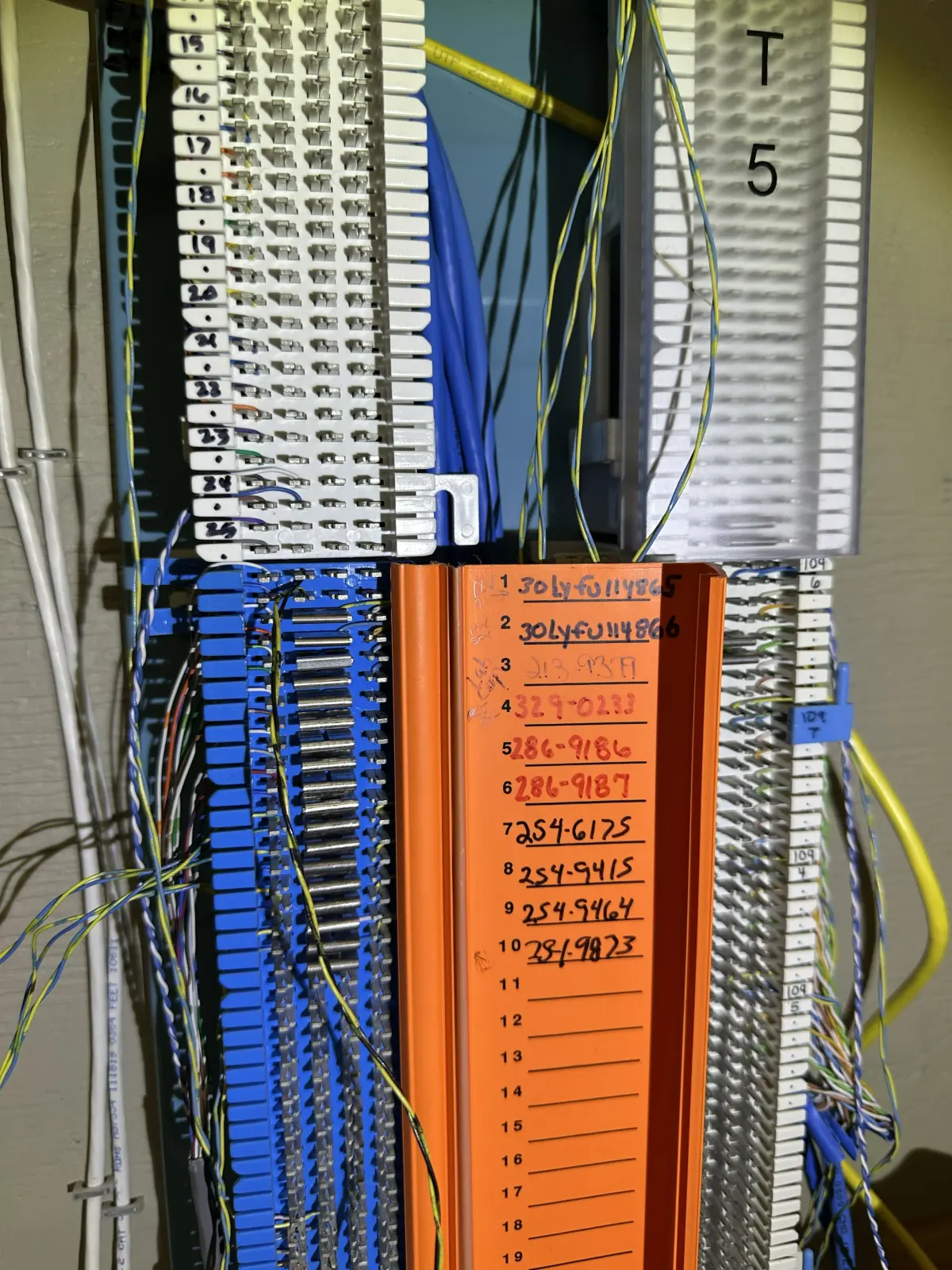
Punchdown work is where sloppy habits reveal themselves fast. Pair integrity, seating, identification, and field cleanliness all affect whether the plant is trustworthy after installation or repair.
Dearman Tech approaches copper terminations with turnover in mind. The result should be understandable, supportable, and ready for future service work without mystery conductors, half-labeled fields, or improvised patching choices.
Dearman Tech Execution Standard
Cabling work is approached with an eye toward future service. The result should be clean, understandable, and ready for turnover without guesswork or cable archaeology.
Related Proof
Additional examples of patch panel cleanup, cabling repair, and infrastructure improvement are available on the before-and-after page.