Retail Systems
What This Service Solves
Incomplete rollouts, inconsistent hardware installation, poor cable handling, rushed cutovers, unstable support layouts, and neglected customer-facing equipment create failures at the counter, in the drive-thru, and across the store. This service is built around controlled deployment in live environments where the work has to be correct the first time.
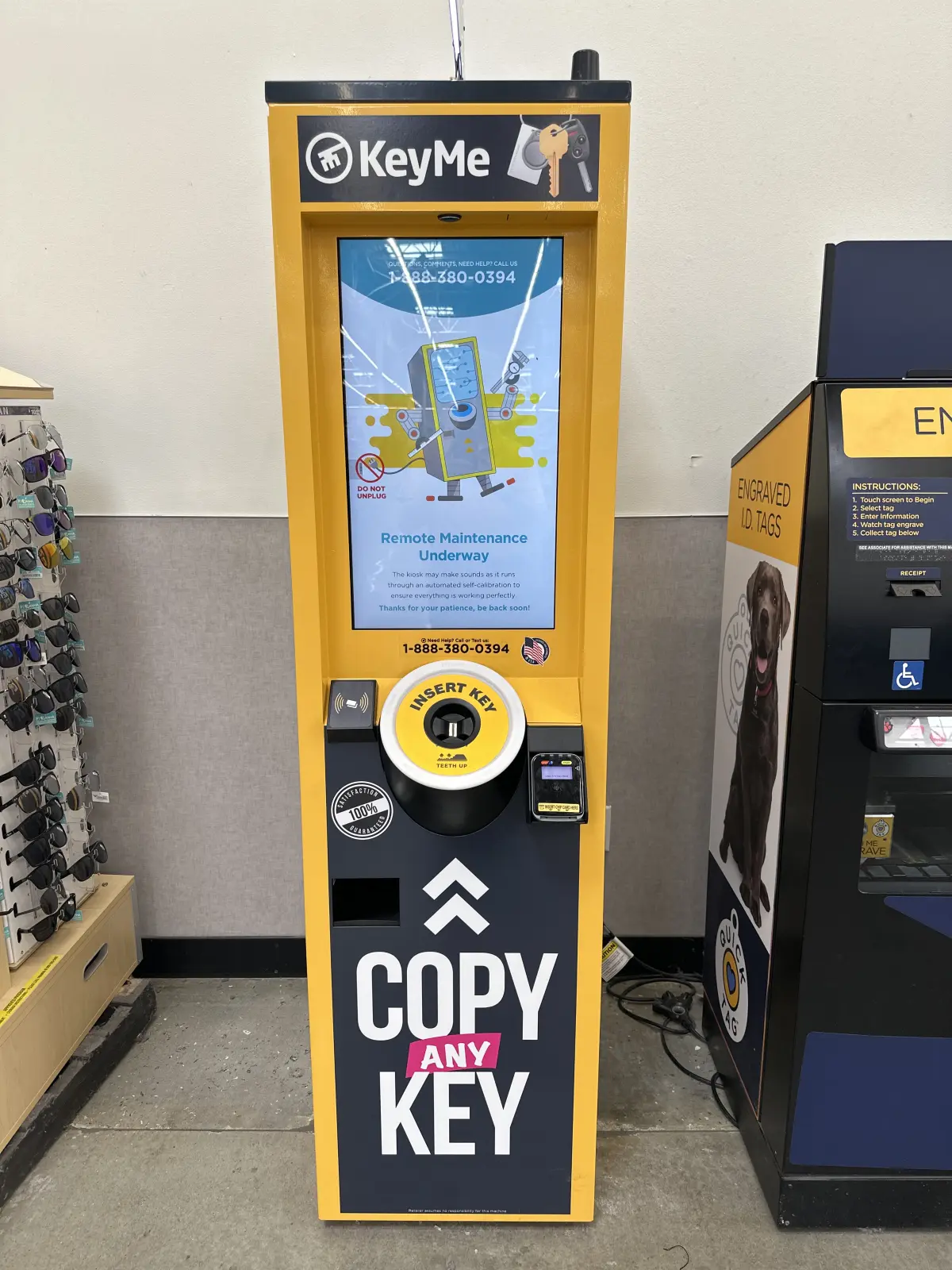
Kiosk and Customer-Facing Device Support
Retail kiosks and self-service devices have to be installed and serviced without turning the customer area into a work zone. Camera replacement, hardware access, and device restoration all have to happen cleanly while preserving the appearance and usability of the equipment.
The goal is straightforward: restore or deploy the device without leaving loose hardware, visible disorder, or unfinished work in a customer-facing environment.
Drive-Thru Menu Board Troubleshooting and Replacement
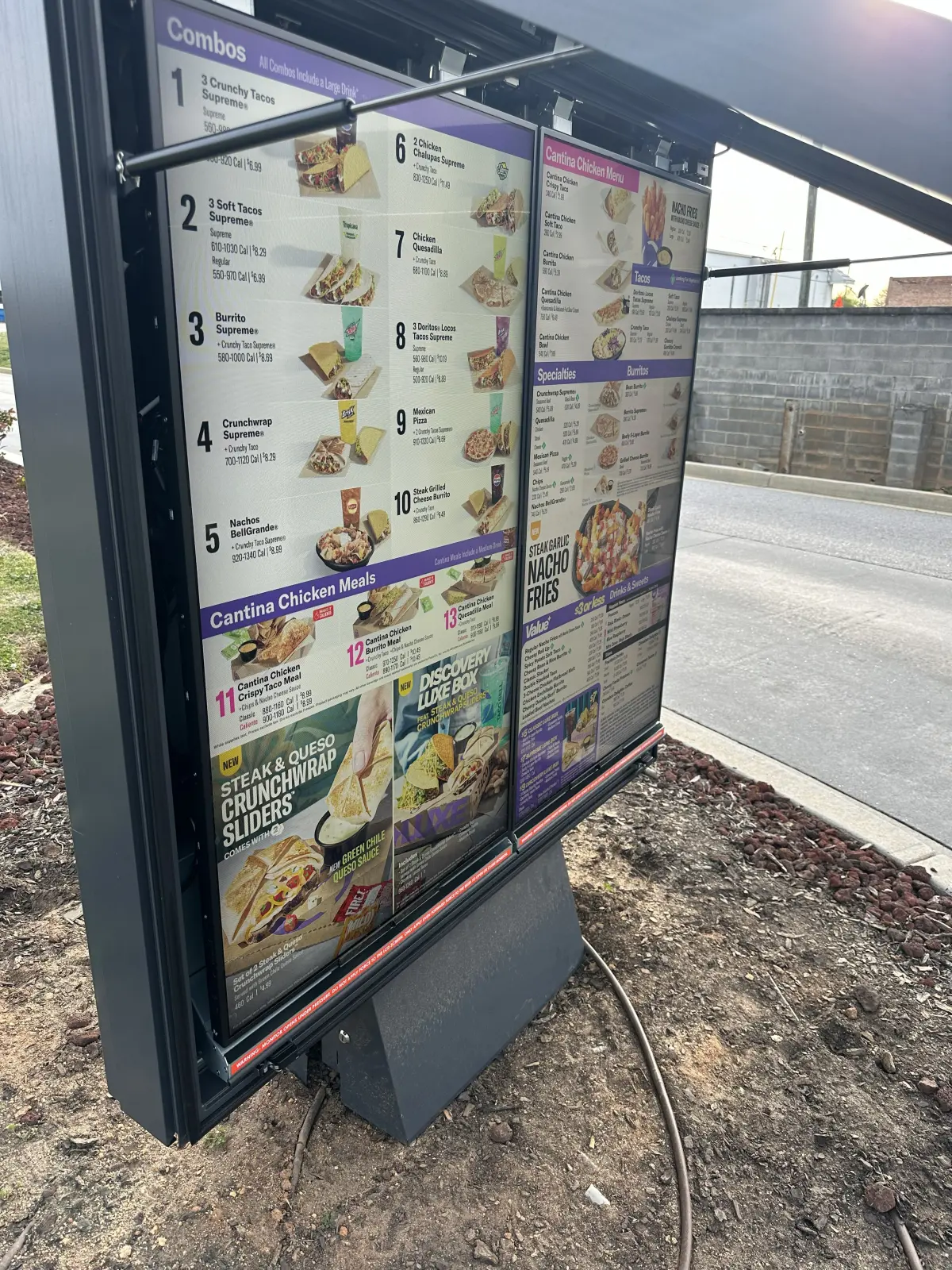
Drive-thru systems introduce another layer of complexity with outdoor hardware, controller units, and customer-facing display systems that must remain operational in all conditions. Failures at the menu board directly disrupt order flow and revenue.
Troubleshooting and replacement work in these environments requires coordination between display hardware, control systems, and field wiring. The objective is restoring functionality quickly while maintaining clean hardware integration and serviceable access.
POS Checkout Hardware Deployment
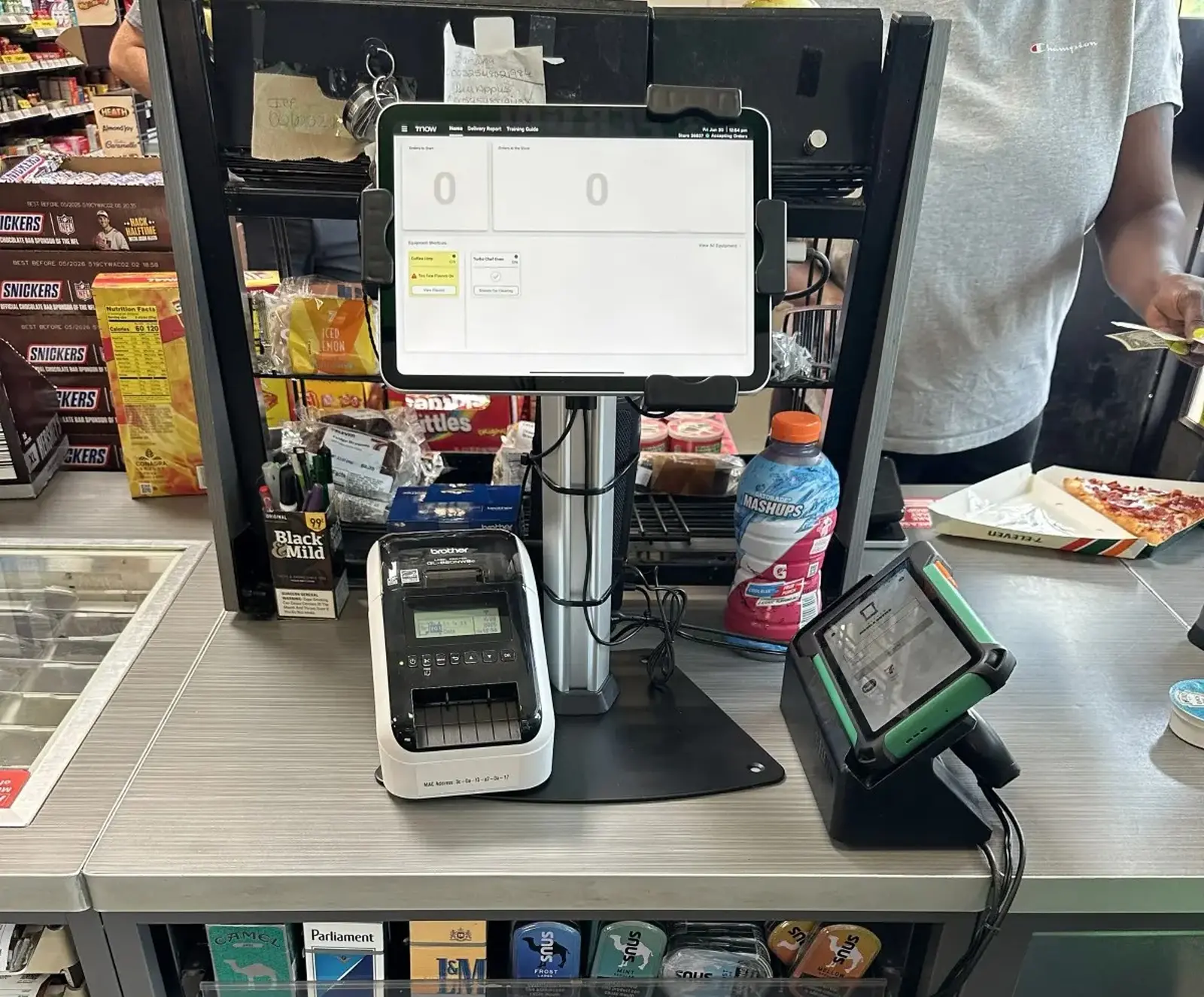
Checkout hardware has to support transaction flow, device stability, cable control, and day-to-day usability at the counter. In live retail environments, poor placement or rushed mounting creates immediate operational friction for both staff and customers.
Proper deployment leaves the station organized, usable, and ready for turnover without counter clutter, unstable peripherals, or preventable support issues. The result should look intentional because it was installed that way.
Under-Counter Network Cleanup and Stabilization
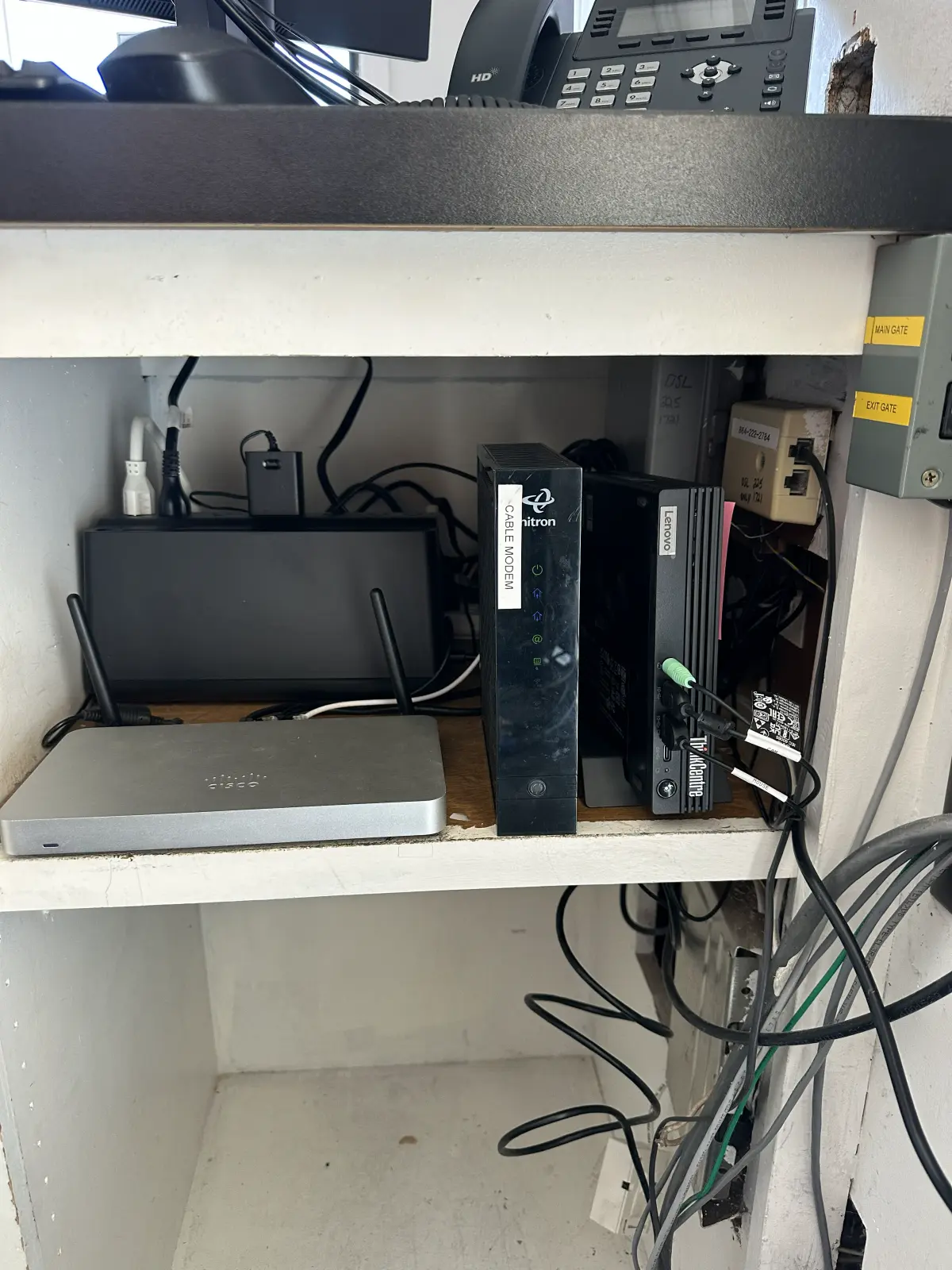
Retail environments often accumulate mixed hardware with no structure, turning a basic support cabinet into a source of recurring service problems. Modem, router, switching, and support hardware still need practical organization even when the site does not have a formal rack environment.
This example reflects cleanup and stabilization in a live retail cabinet where the objective was improved layout, reduced disorder, and a more supportable condition for future service work.
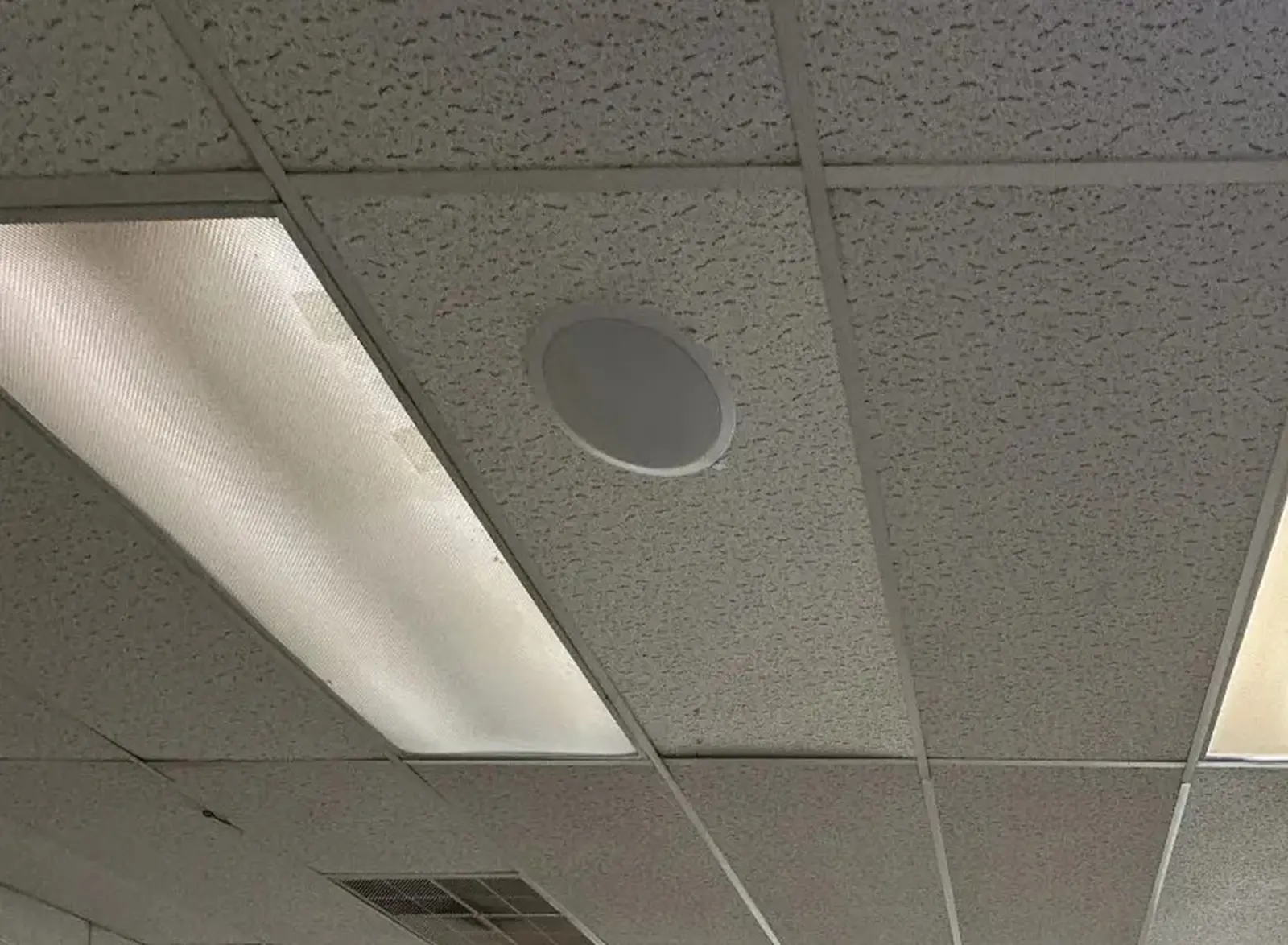
Ceiling Speaker and In-Store Device Installation
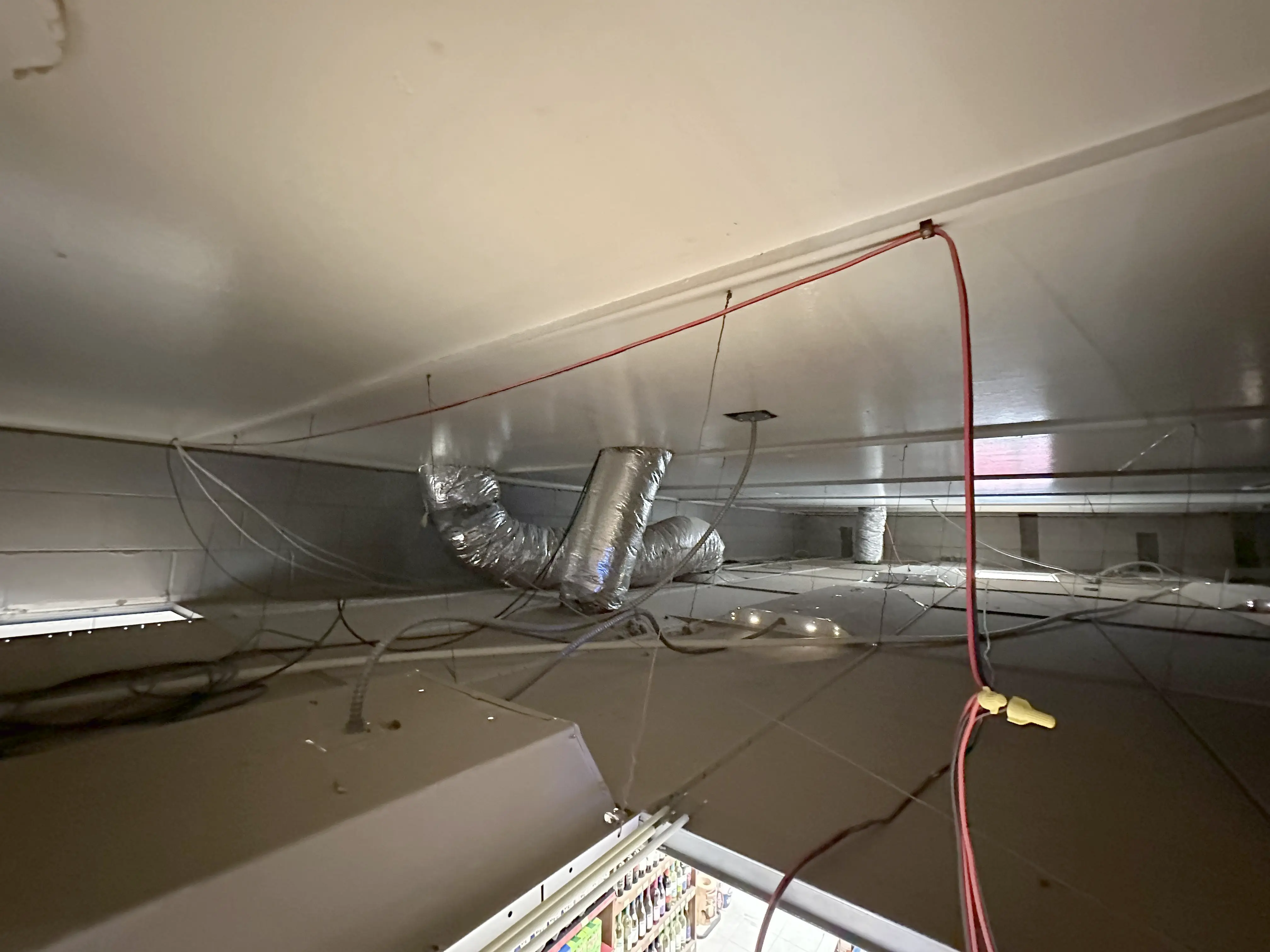
Retail technology deployment is not limited to the checkout counter. Ceiling speakers, peripheral devices, and supporting hardware still have to be installed cleanly inside finished commercial space while hidden infrastructure above the ceiling remains routed in a controlled, supportable way.
Good installation in these environments means more than a finished device visible from the sales floor. It also means disciplined routing above the ceiling, orderly handoff to the device location, and a final result that looks clean below and remains understandable above.
What Proper Execution Requires
- Clean POS, kiosk, and peripheral installation
- Structured routing for visible and under-counter cabling
- Hardware placement that preserves usability and service access
- Coordination around active store or restaurant operations
- Verification that deployed systems are ready for handoff
Dearman Tech Execution Standard
Retail technology is deployed with the same discipline as infrastructure work: organized hardware placement, clean routing, proper device support, and a finished environment that does not look temporary. The objective is working systems without creating disorder around the operation they support.
Related Proof
Additional examples of structured field work, cleanup, and installation quality are available on the before-and-after page.