Rack & Equipment Deployment
What This Service Solves
Racks that grow without structure become hard to service, hard to troubleshoot, and hard to trust. Even working equipment becomes a liability when the environment around it is unmanaged.
Headend Rack Structure and Hardware Placement
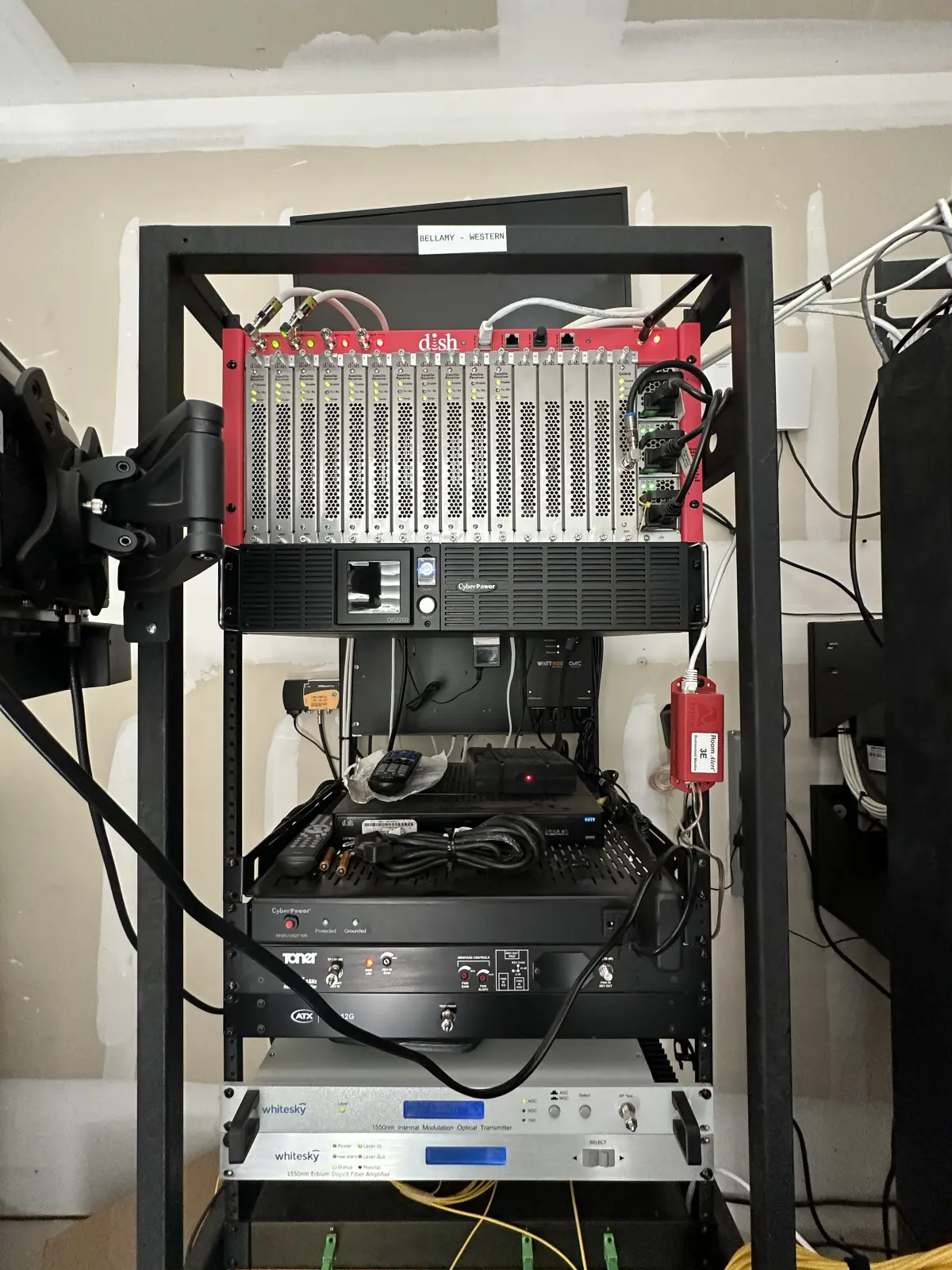
Rack deployment starts with physical order. Equipment has to be mounted cleanly, supported correctly, and placed in a way that respects access, serviceability, and downstream changes. A rack can be technically online and still be badly built.
This example shows a headend environment where hardware layout, rack spacing, and turnover presentation matter just as much as connectivity. Clean structure reduces confusion and makes future work faster.
What Proper Execution Requires
- Clean rack layout and equipment placement
- Organized patching and cable management
- Labeling discipline where scope permits
- Respect for airflow, access, and future service
- Professional handling of client hardware
Power Protection and Rack Stability
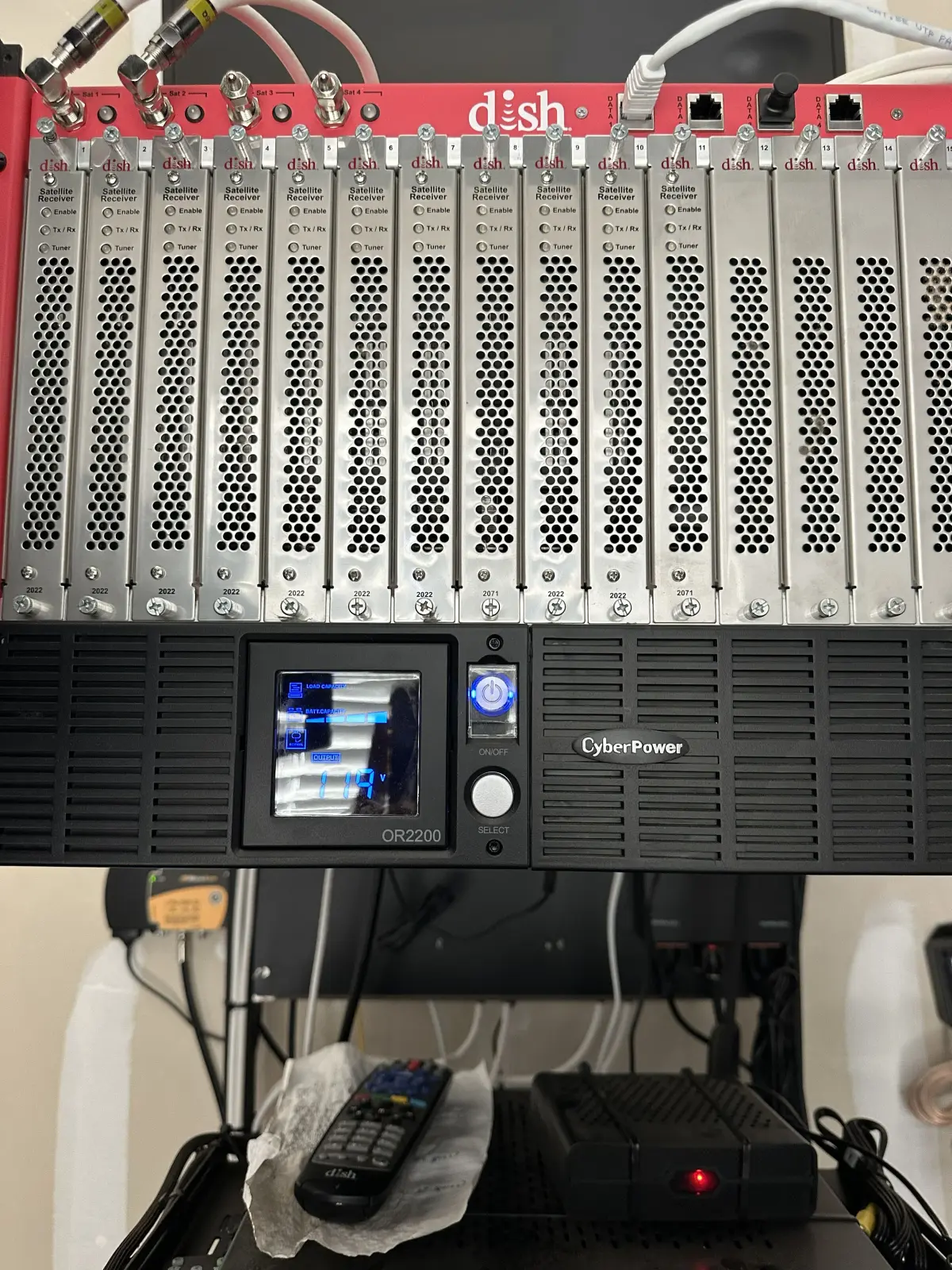
Rack work is not just about mounting switches and hoping for the best. Power protection, shelf placement, and supporting equipment all affect whether the rack is stable in real operating conditions.
A proper rack layout accounts for load support, access to critical devices, and a clean power path. That keeps the environment easier to troubleshoot and less likely to become a nest of adapters and improvised workarounds.
Labeling, Switching, and Turnover Readiness
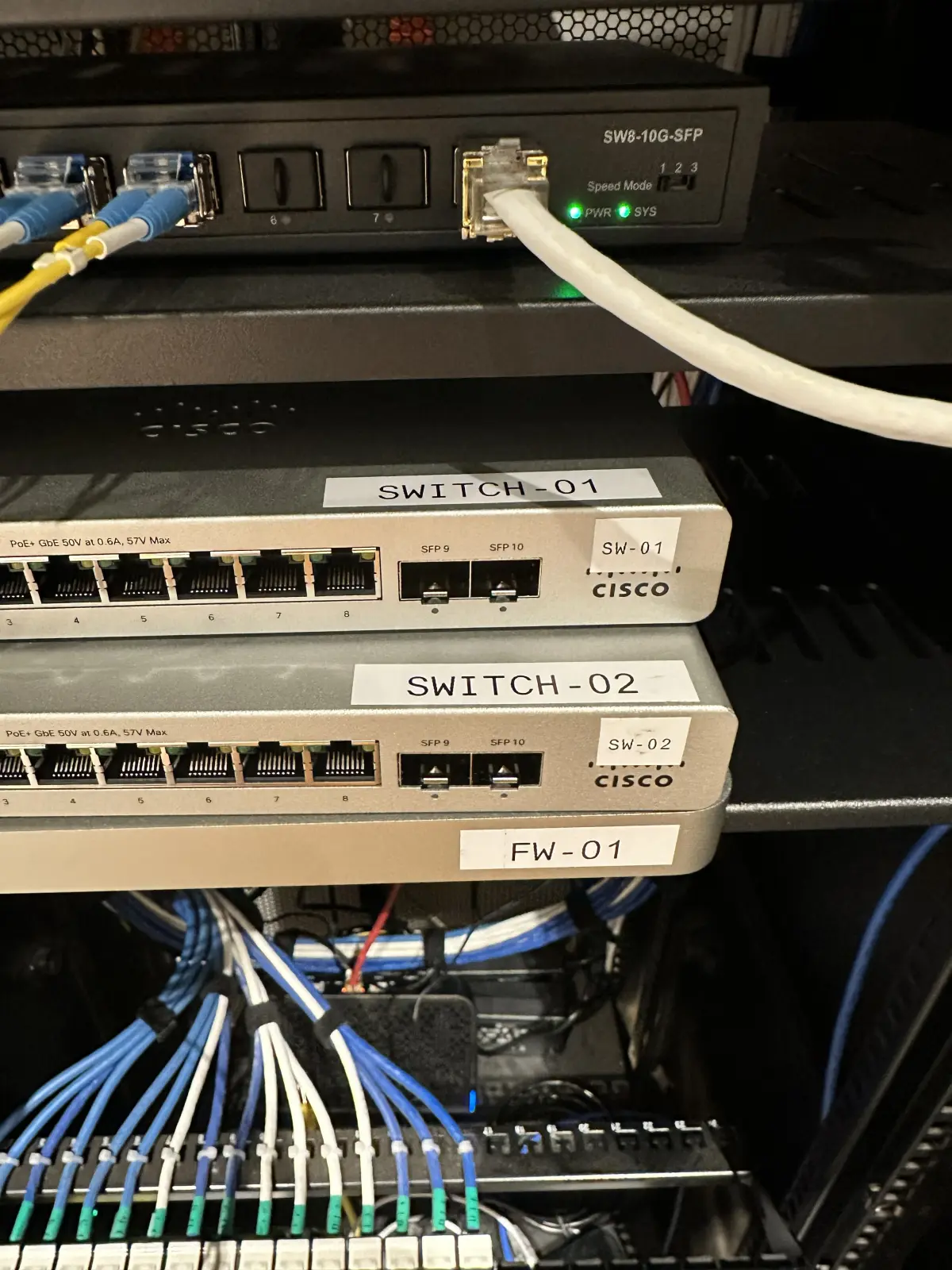
Clear device identification matters. When switches, firewalls, and supporting gear are labeled consistently, the rack becomes far easier to understand during service calls, hardware replacement, or client review.
Good rack deployment leaves the next technician with a readable environment instead of a guessing game. Clean labels and sensible layout are small details that prevent large amounts of wasted time later.
Edge Appliances and Multi-Device Coordination
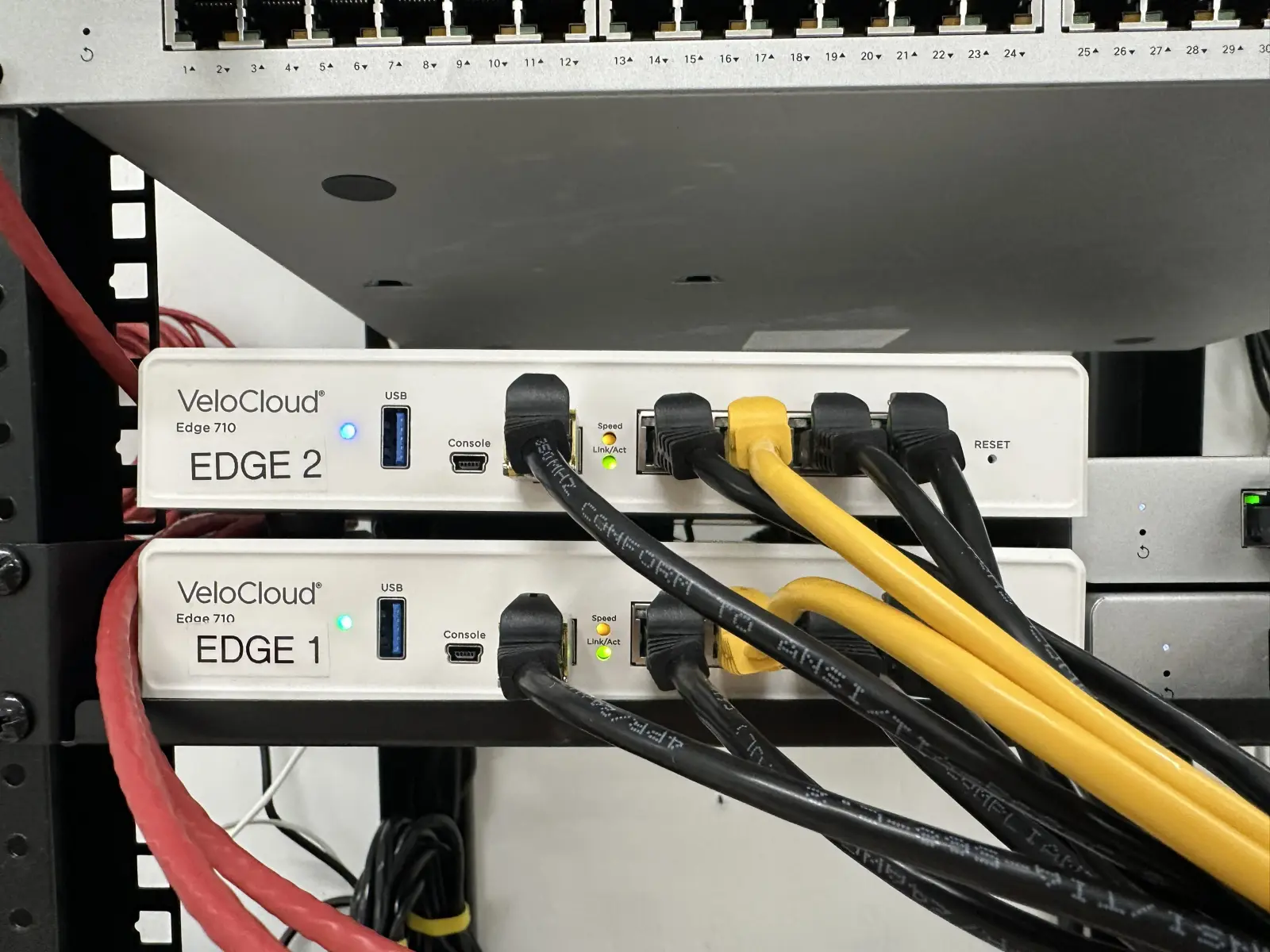
Edge devices, SD-WAN equipment, and supporting switches need more than shelf space. They need clean mounting, controlled cabling, and enough forethought that uplinks, handoffs, and future replacements can happen without dismantling the whole rack.
This kind of deployment is where rack discipline really shows. A clean edge install should support service continuity and hardware visibility, not bury important connections behind cable clutter.
Mixed Equipment Environments and Rack Discipline
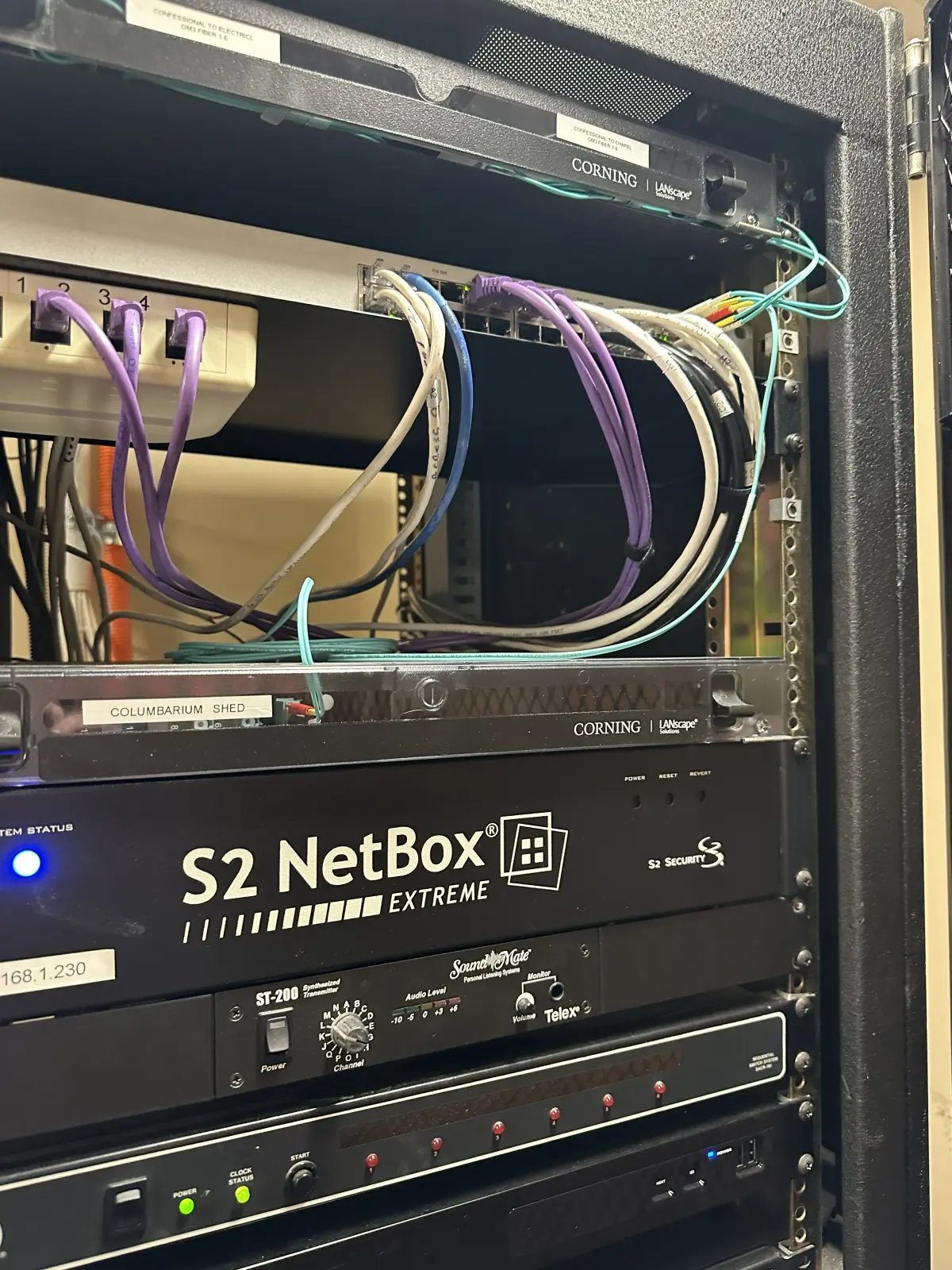
Many live commercial racks contain security, audio, fiber, switching, and control hardware all in the same cabinet. That makes layout discipline even more important, because the rack has to remain understandable across multiple systems and vendors.
A good deployment does not pretend every rack is simple. It organizes complexity so the environment remains supportable, readable, and ready for the next visit.
Dearman Tech Execution Standard
The goal is a rack that is functional, clean, and supportable. That means reducing visual clutter, improving access, and leaving the infrastructure easier to understand after turnover.
Related Proof
Examples of rack cleanup, switch deployment, and structured infrastructure improvement are available on the proof page.